Ultimate Chinese Pepper Steak Stir Fry
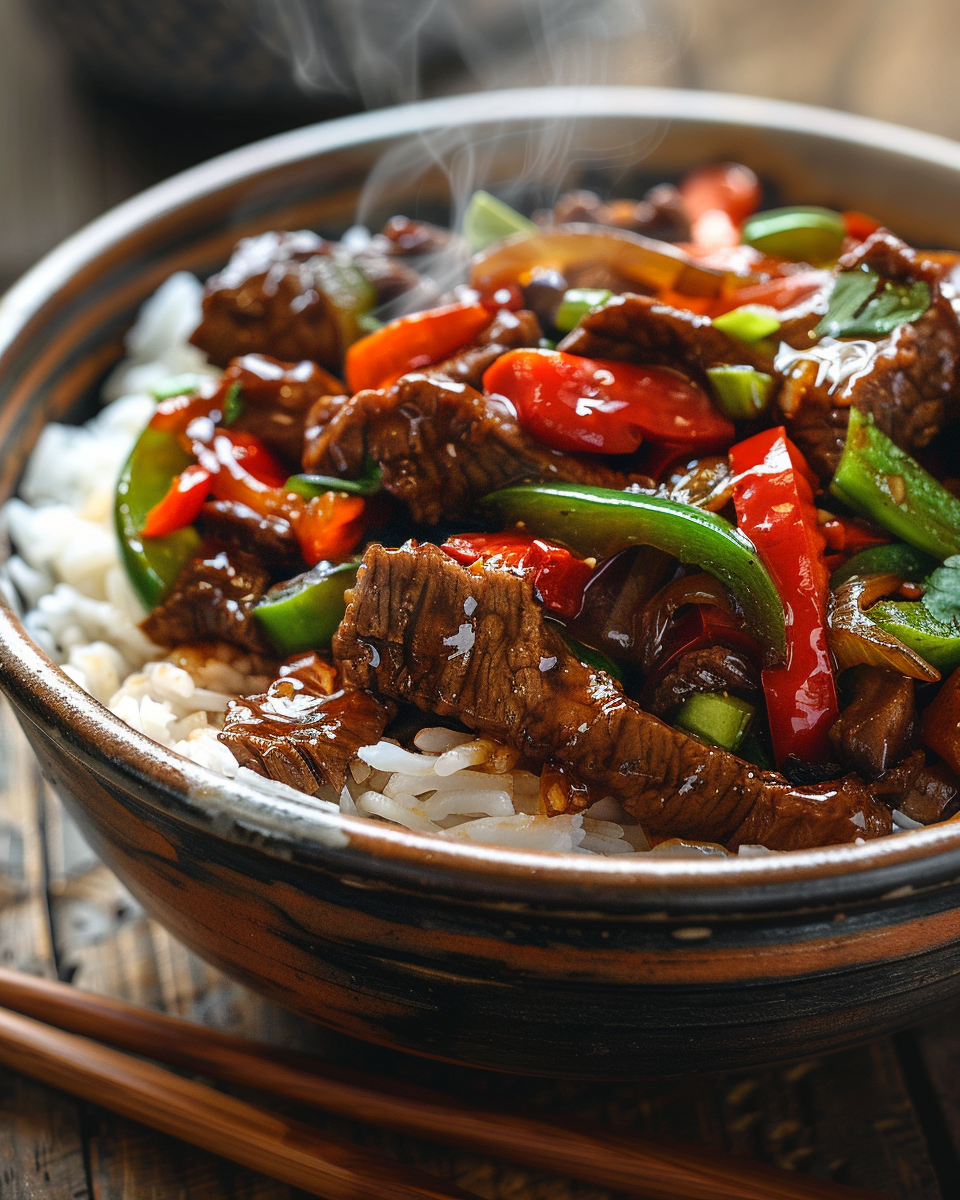
Chinese Pepper Steak Stir Fry is a bold, savory, and satisfying dish that brings restaurant-quality flavor straight to your kitchen in under 40 minutes. This classic Chinese-American favorite combines tender strips of beef, crisp bell peppers, and sweet onions in a rich, glossy soy-based sauce that tastes even better than takeout.
Whether you’re cooking for family dinner or meal prepping for the week, this flavorful stir fry is quick, practical, and incredibly delicious.
Why You’ll Love This Chinese Pepper Steak Stir Fry
This recipe checks all the right boxes for a weeknight winner.
- Quick and easy — ready in about 30–35 minutes
- Uses simple, affordable ingredients
- Packed with protein and colorful vegetables
- Better and fresher than takeout
- Family-friendly and customizable
- Perfect for meal prep
The balance of tender beef, vibrant peppers, and savory sauce makes every bite deeply satisfying without being heavy.
Ingredients for Chinese Pepper Steak Stir Fry
Main Ingredients
- 1 ½ pounds flank steak (thinly sliced against the grain)
- 2 green bell peppers (sliced)
- 1 red bell pepper (optional, sliced)
- 1 large yellow onion (sliced)
- 3 cloves garlic (minced)
- 1 tablespoon fresh ginger (minced)
- 2 tablespoons cooking oil
Sauce Ingredients
- ½ cup low-sodium soy sauce
- ¾ cup beef broth
- 1 tablespoon brown sugar
- 1 tablespoon cornstarch
- 1 teaspoon sesame oil
- ½ teaspoon black pepper
Marinade for the Beef
- 1 tablespoon soy sauce
- 1 tablespoon cornstarch
Ingredient Notes
Best Cut of Beef
Flank steak works beautifully because it becomes tender when sliced thinly against the grain. Sirloin is another excellent option.
Lower-Sodium Option
Use low-sodium soy sauce and reduce added salt elsewhere.
Alcohol Substitution
If a variation includes cooking wine, replace it with beef broth plus a small splash of lemon juice or mild vinegar.
Alternative Proteins
You can substitute the beef with:
- Thinly sliced chicken breast
- Turkey strips
- Firm tofu cubes
- Mushrooms for a plant-based version
Vegetable Add-Ins
Broccoli, snap peas, or carrots blend well with the classic peppers and onions.
Step-by-Step Instructions
Step 1 – Prepare the Beef
Slice the flank steak thinly against the grain. This shortens the muscle fibers and keeps the meat tender. Toss the slices with 1 tablespoon soy sauce and 1 tablespoon cornstarch. Let it sit for about 10 minutes while you prep the vegetables.
Step 2 – Mix the Sauce
In a small bowl, whisk together soy sauce, beef broth, brown sugar, cornstarch, sesame oil, and black pepper. Set aside. The cornstarch will help the sauce thicken later.
Step 3 – Sear the Beef
Heat 1 tablespoon of oil in a large skillet or wok over medium-high heat. Add the beef in a single layer. Cook for 1–2 minutes per side until browned but not fully cooked through. Remove from the pan and set aside.
Avoid overcrowding the pan. Cook in batches if necessary to maintain high heat.
Step 4 – Stir Fry the Vegetables
Add the remaining oil to the pan. Toss in the onions and bell peppers. Stir fry for 3–4 minutes until slightly tender but still crisp.
Add minced garlic and ginger. Cook for about 30 seconds until fragrant.
Step 5 – Combine and Finish
Return the beef to the pan. Pour in the prepared sauce and stir well. Let everything simmer for 2–3 minutes until the sauce thickens and coats the beef and vegetables evenly.
Remove from heat and serve immediately.
Pro Tips for Success
- Slice Against the Grain
This is the key to tender beef. Look at the direction of the muscle fibers and cut across them. - Use High Heat
A hot pan helps sear the beef quickly and keeps vegetables crisp. - Don’t Overcook
Beef should be just cooked through to stay juicy. Overcooking can make it tough. - Prep Everything First
Stir frying moves quickly, so have all ingredients ready before you start cooking. - Adjust Sauce Thickness
If the sauce is too thick, add a splash of broth. If too thin, simmer slightly longer. - Taste and Adjust
You can increase sweetness with a touch more brown sugar or deepen flavor with a small drizzle of soy sauce.
Flavor Variations
- Spicy Pepper Steak
Add red pepper flakes or sliced fresh chili for heat. - Garlic Lover’s Version
Double the garlic for a more intense savory flavor. - Ginger-Forward Twist
Increase fresh ginger for a brighter, slightly zesty taste. - Sweet and Savory Blend
Add a tablespoon of oyster sauce (or mushroom sauce for a non-seafood option) to enhance umami. - Low-Carb Option
Serve over cauliflower rice instead of traditional rice.
Serving Suggestions
Chinese Pepper Steak Stir Fry pairs beautifully with:
- Steamed jasmine rice
- Brown rice
- Fried rice
- Noodles
- Cauliflower rice for a lighter meal
You can also serve it with simple steamed broccoli or a fresh cucumber salad for added crunch.
For a complete dinner spread, add egg rolls or a light soup on the side.
Storage and Freezing Instructions
Refrigeration
Store leftovers in an airtight container in the refrigerator for up to 4 days.
Reheating
Reheat gently in a skillet over medium heat or microwave in short intervals, stirring between each. Add a splash of broth if needed to loosen the sauce.
Freezing
You can freeze pepper steak for up to 2 months. Let it cool completely before placing it in freezer-safe containers. Thaw overnight in the refrigerator before reheating.
Vegetables may soften slightly after freezing, but the flavor remains excellent.
Nutrition Facts (Per Serving)
| Nutrient | Amount (Approx.) |
|---|---|
| Calories | 350 |
| Protein | 32g |
| Carbohydrates | 18g |
| Fat | 18g |
| Fiber | 3g |
| Sodium | 820mg |
Values may vary based on portion size and ingredient brands used.
FAQ About Chinese Pepper Steak Stir Fry
What is the best cut of beef for Chinese Pepper Steak?
Flank steak is ideal because it becomes very tender when sliced thinly against the grain. Sirloin also works well and is slightly more tender by nature. Avoid tougher cuts unless you marinate them longer.
How do I keep the beef tender?
Slice it thinly against the grain and cook it quickly over high heat. The cornstarch marinade also helps create a velvety texture. Overcooking is the most common reason for tough beef.
Can I make this dish ahead of time?
Yes. You can prepare the vegetables and sauce in advance and refrigerate them separately. Cook everything fresh for best texture, or reheat gently if fully prepared ahead.
Is Chinese Pepper Steak spicy?
Traditional pepper steak is not spicy. It focuses on savory and slightly sweet flavors. You can easily add chili flakes or fresh peppers if you prefer heat.
Can I make it gluten-free?
Yes. Substitute regular soy sauce with gluten-free tamari or coconut aminos. Make sure your beef broth is also certified gluten-free.
Can I use frozen vegetables?
Fresh vegetables provide the best texture, but frozen peppers can work in a pinch. Cook them slightly longer to evaporate excess moisture.
Final Thoughts
Chinese Pepper Steak Stir Fry is one of those dependable recipes you’ll want to make again and again. It’s fast, practical, full of flavor, and easy to customize based on what you have in your kitchen.
With tender beef, vibrant peppers, and a rich savory sauce, this dish delivers everything you love about takeout — but fresher and more affordable. Once you master the simple stir fry technique, you’ll see how easy it is to create restaurant-style meals at home.
Ultimate Chinese Pepper Steak Stir Fry
Ingredients
Equipment
Method
- Slice the flank steak thinly against the grain. Toss with soy sauce and cornstarch from the marinade group. Let sit for 10 minutes.
- Whisk together all sauce ingredients in a small bowl until smooth. Set aside.
- Heat 1 tablespoon oil in a large skillet or wok over medium-high heat. Sear the beef in a single layer for 1–2 minutes per side. Remove and set aside.
- Add remaining oil to the pan. Stir fry onions and bell peppers for 3–4 minutes until slightly tender but still crisp. Add garlic and ginger and cook for 30 seconds.
- Return beef to the pan. Pour in the sauce and stir well. Simmer for 2–3 minutes until the sauce thickens and coats everything evenly. Serve hot over rice.
Notes